Water-based gloss: on-site lessons from white trim application
By David Barrett
Water based gloss: first impressions from site work
Working on a new build of retirement flats this week put water based gloss under the spotlight. The specification for the woodwork called for water based undercoat and gloss, so I followed the brief. I have used water based gloss before on similar projects by the same organisation, but those jobs involved coloured front doors rather than the white trim I was tackling here. That difference exposed some practical challenges worth sharing for anyone specifying, supplying or applying water based gloss.
What happened on site
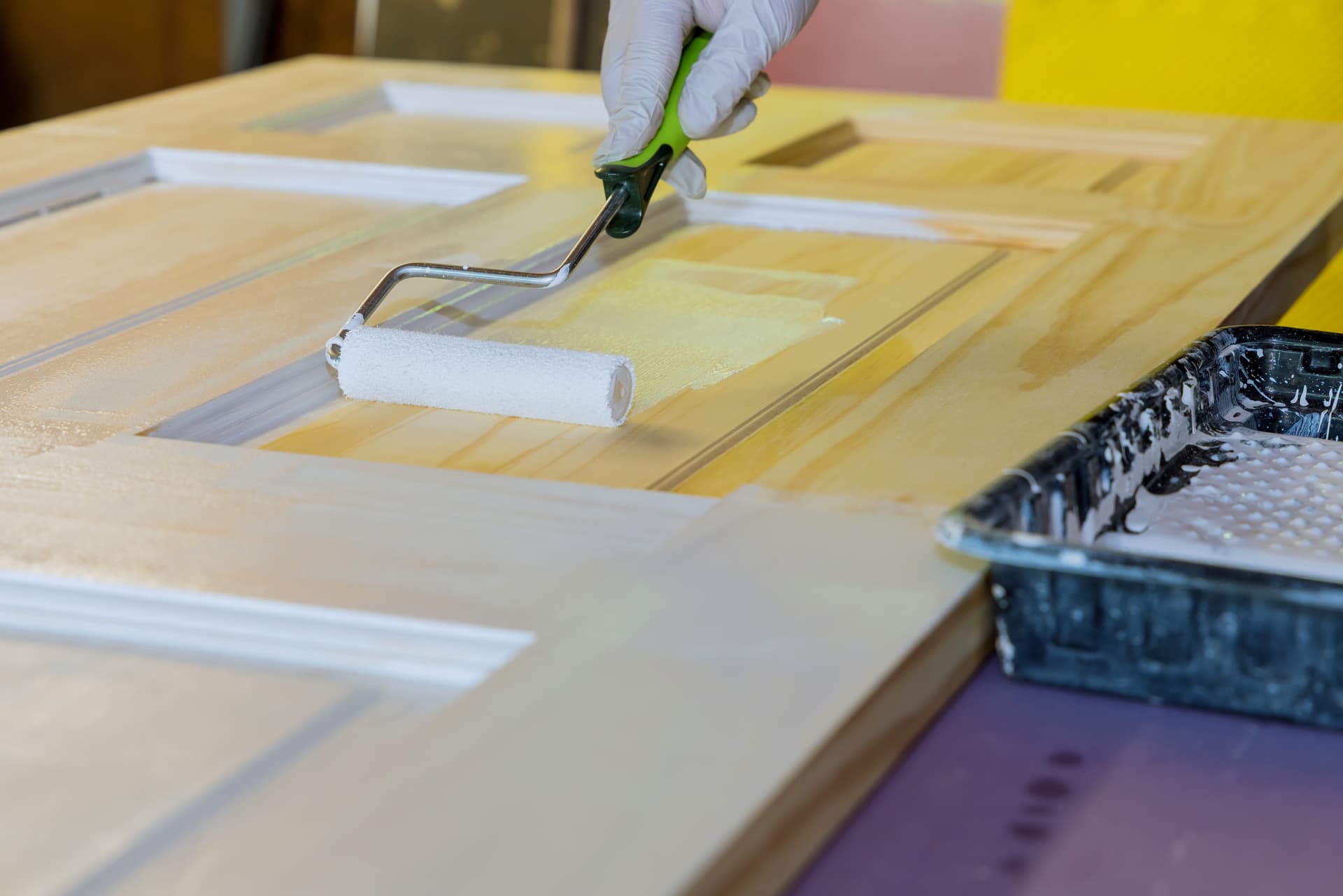
Applying white water based gloss felt different from other jobs. Coverage appeared poor, the spreading rate was less generous than I expected and the paint’s workability was disappointing. Even using high-quality synthetic brushes such as the Purdy Monarch Elite Pro Extra I experienced pronounced brush marks in the finish. With traditional oil based gloss I don’t typically see those marks.
Another problem was retouching. Areas that hadn’t covered properly were difficult to repair without compromising the surrounding finish, which made progress slower and raised concerns about long‑term appearance on prominent trim lines.
Why white behaves differently
White paints can behave differently to coloured versions for a few reasons. Pigment type, pigment load and the paint’s formulation all affect opacity and how the product lays off. Coloured glazes or tinting can sometimes improve coverage, whereas pure white formulations demand greater opacity from the binder and pigment system. That partly explains why the coloured front doors I did previously performed better than the white gloss on this project.
Research and practical fixes for water based gloss
I did some targeted research into application techniques and additives that can help. One product that repeatedly came up is floetrol paint conditioner — a flow improver designed for water based paints that can reduce brush marks and improve leveling. I haven’t yet had the chance to apply floetrol on this contract (I’ll be testing it before decorating the next flat), but it’s a widely recommended option and worth trying where brush marks and workability are a problem.
Manufacturer guidance versus contractor specification
The tin for the water based gloss recommends two coats of gloss for best results. However, the site specification issued by the company I’m working for requires two undercoats and a single gloss coat, so applying two gloss coats is not permitted on these jobs. That constraint affects how much margin for error you have when the single gloss coat needs to carry the final appearance.
Application tips for a better water based gloss finish
- Use the right conditioner: Try a flow improver such as floetrol if you see brush marks or poor levelling. Follow the manufacturer’s mixing instructions for best results.
- Choose appropriate brushes and tools: Synthetic brushes are the correct choice for water based gloss, but not all synthetics behave the same. Test a brush on a sample panel before committing to long runs of trim.
- Apply thin, even coats: Thin coats level better and dry more uniformly. Overly heavy application increases the risk of brush marks and poor curing.
- Sanding between coats: Lightly sand between coats to remove small blemishes and improve adhesion for the next layer.
- Watch temperature and humidity: Water based paints are more sensitive to environmental conditions. Avoid very cold or humid conditions that slow drying and impair flow.
- Follow undercoat compatibility: Ensure the undercoat is recommended for use with the chosen water based gloss. Incompatible systems can affect the final sheen and durability.
Comparing water based and oil based gloss
Oil based gloss still has advantages in terms of spreading and the way it levels off; for many tradespeople the finish can look and feel superior on trims. That said, oil based systems have known drawbacks such as potential yellowing over time, which is a key reason many clients and specifiers are switching to water based products.
At the moment my first impressions of white water based gloss on this project are not favourable compared with oil based gloss. However, finishes often improve as coatings fully cure overnight, and product selection or minor changes in technique can make a significant difference. I’ll see how the work settles and whether floetrol or different application methods change my view over the coming flats.
Next steps and offers of help
I’ll be testing floetrol and adjusting application technique on the next units and will report back on whether those changes deliver a more consistent finish. If you’re specifying woodwork finishes or deciding between water based and oil based gloss for a project, I can provide practical advice or a site assessment to recommend the best approach for durability and appearance.
For more about our work and approach, visit our About page. To discuss a specific job or request a quotation, get in touch via our contact form. You might also find related thoughts on trim work in our blog post It’s Not All White.