Why Painting Walls White Often Needs Extra Coats — Paint Opacity Explained
By David Barrett
Why painting walls white is more challenging than it looks
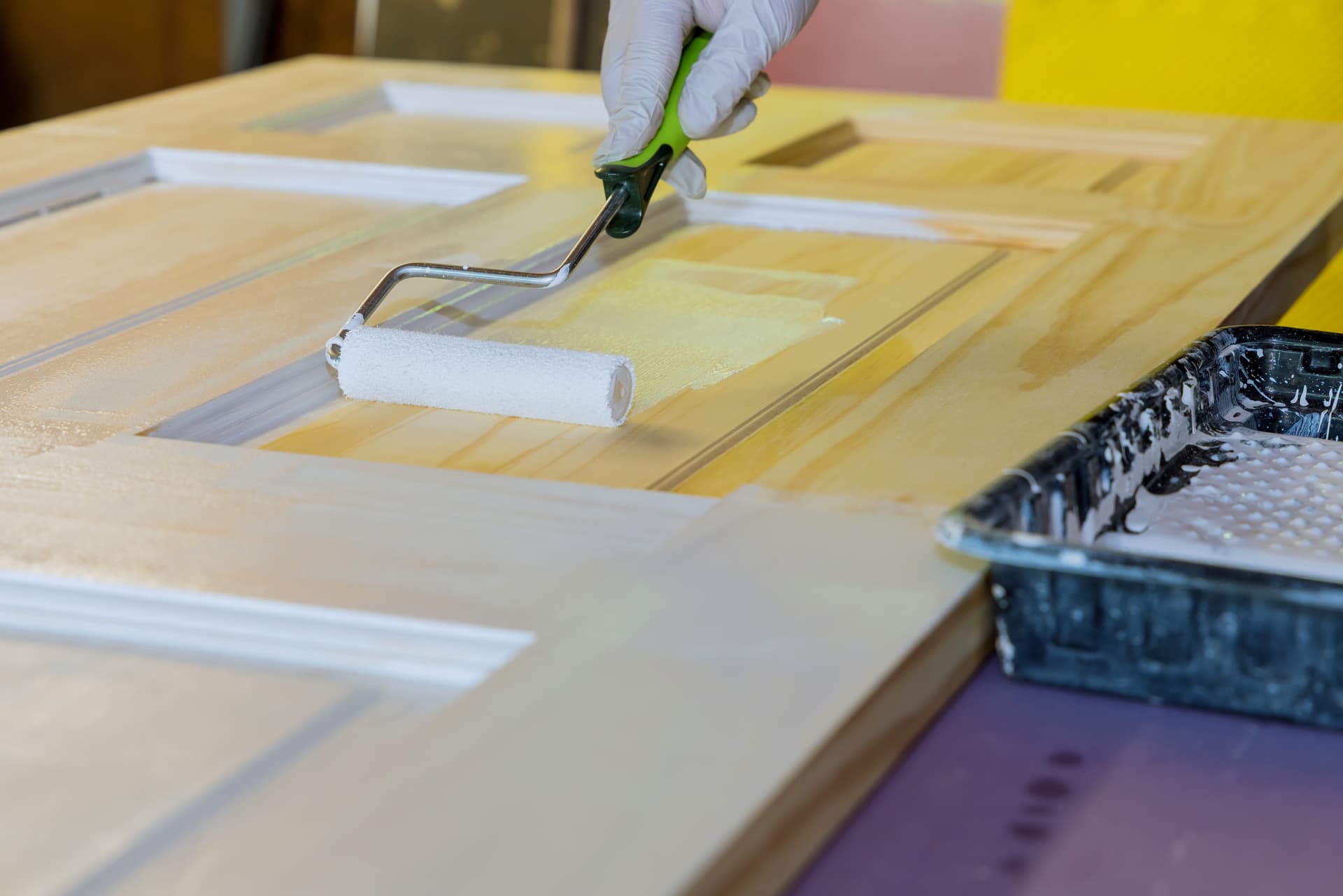
I’ve completed numerous jobs this year where customers want to change slightly darker coloured walls and woodwork to all white. On the surface it sounds straightforward, but repeatedly I’ve encountered the same frustrating reality: good-quality, durable matt paints are not always delivering the opacity I expect. Where a coloured tint would normally take two coats, white is often taking three, four or even five coats to achieve a uniform finish.
What I’ve seen on-site
These issues are not isolated to a single brand. As a Dulux Select Decorator I mainly work within the Akzo Nobel range and regularly specify Armstead Durable and Dulux Diamond Matt for durable matt finishes. This year I’ve also used Tikkurila Optiva 5, Johnstone’s Acrylic Durable Matt and Crown Clean Extreme on walls, and I’ve seen the same problem across the board. As a matter of practice I will not use Good Home Durable again after a poor experience.
Often after the second coat the surface appears solid, only for the original colour to “grin through” later or for picture-framing to appear around edges. That means returning with rollers and extra coats — which takes time and material that wasn’t anticipated when I planned the job.
Why premium paints sometimes need more coats
There are several technical reasons white paint can demand extra coverage even when you’re using premium products:
- Base and tint formulations: Paint manufacturers periodically reformulate products. I’m aware Dulux Diamond has been reformulated, which may affect opacity and drying behaviour.
- Underlying colour: Darker or saturated shades underneath need more pigment and hiding power to neutralise them. White paint has to mask the depth of the existing colour.
- Substrate and preparation: Porous or previously stained surfaces absorb paint differently, reducing opacity and causing uneven drying.
- Sheen and light: Matt finishes reflect light differently. Under certain lighting conditions, a wall can look more uniform initially and then reveal flaws as it fully cures.
- Application technique and tools: Roller type, nap length and application speed influence coverage. Quick coverage can look fine while wet but reveal variations as it dries.
Practical steps I take to avoid repeated coats
From experience, there are measures that reduce the likelihood of excessive recoats:
- Use a dedicated white undercoat or primer: A quality primer designed for blocking and adhesion can significantly improve hiding power and reduce topcoat requirements.
- Tint the undercoat slightly: In some cases a lightly tinted base that neutralises the existing colour helps the top coats show true without repeated overcoating.
- Prepare the substrate thoroughly: Fill, sand and seal any bare or porous areas so the topcoat behaves consistently.
- Choose the right tools: Match roller nap and technique to the surface; this can cut down on brush marks, picture-framing and uneven coverage.
- Allow proper drying time: Rushing between coats can reveal imperfections once paint has fully cured.
Who bears the cost of extra coats?
When I specify the paint, the expectation is that it will perform. That’s why unexpected additional coats present a commercial dilemma: extra labour and materials add up. Where possible I make customers aware of the potential for extra coats when switching from a deep or saturated colour to white, and will specify additional coats in the quote if the substrate suggests it will be necessary.
If you’re planning a makeover from a darker shade to white, it’s reasonable to request a site survey and an accurate quote that reflects the likely number of coats and the need for primers or tinting. If you’re unsure about the right approach, get in touch and I’ll assess the surface and provide guidance.
How I communicate this to customers
I explain the risk and outline options up front: a tinted undercoat and a specified number of top coats, or an acceptance that more coats may be required depending on the condition of the walls. Being transparent reduces surprises and helps manage expectations.
If you’d like to know how I work and the products I typically use, you can read more about the company on our About Us page. To discuss a project or arrange a visit for an accurate quote, please contact me.
Final thoughts and practical advice
Switching to white from a darker colour is more than a cosmetic change — it often needs considered specification, good preparation and the right primer or undercoat. Premium products generally perform well, but reformulations and substrate conditions mean extra coats are sometimes unavoidable. The best defence is a proper survey and an agreed scope of work that accounts for the possibility of extra coats.
For customers who want reassurance, I recommend requesting a written quote that clarifies the number of coats and the use of primers or tinted bases. If you’ve had a similar experience or need help planning a repaint, I’m happy to offer practical advice and a site visit.
Read reviews from other customers to see how I approach quality and communication on projects, or get in touch to discuss your job in detail.