Prices Rising, Quality Dropping: What It Means for Homeowners
By David Barrett
Why "prices rising, quality dropping" matters for homeowners
If you’ve noticed your decorating bill creeping up while the finish doesn't look any better, you’re not alone. The phrase "prices rising, quality dropping" sums up a frustration many decorators and homeowners are experiencing: material costs have risen substantially across the board, yet some widely used white emulsions and trade finishes are not performing as they used to. This matters because paint quality affects coverage, labour time and ultimately your final cost.
What’s changing with white emulsions
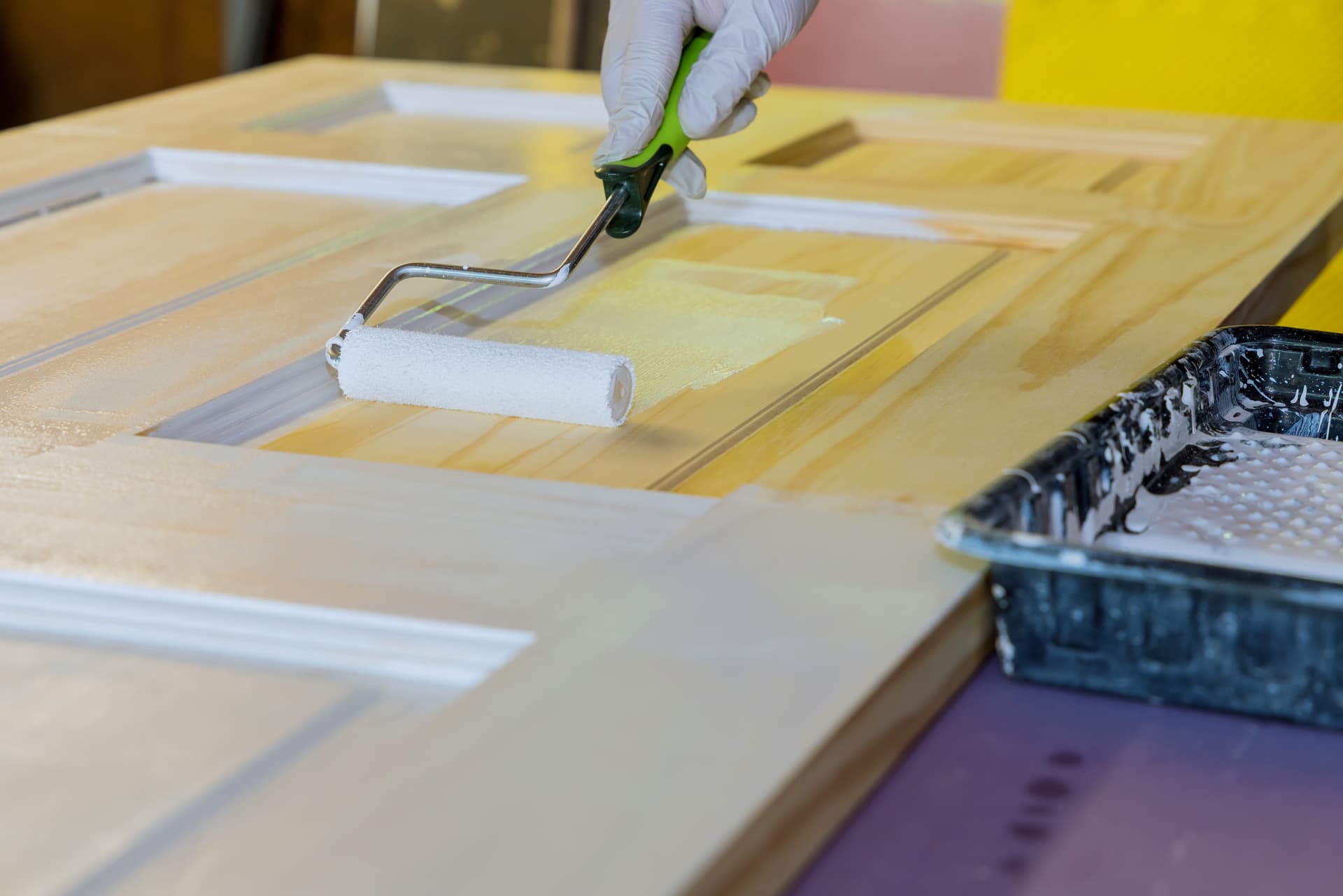
Historically, many white emulsions would reliably cover in two coats—or sometimes a single coat on a previously white ceiling. Lately I’ve had several jobs where products aimed at being durable and high-coverage have required three or more coats. On one recent project a very light grey ceiling needed four coats of white to achieve an even finish. That extra time and material adds up quickly and raises a difficult question: do I absorb the additional labour and paint, or pass it on to the client?
Specific product observations
- Dulux Supermatt and Dulux Ultra Matt: both used to offer dependable body and coverage; more recently they have at times needed additional coats to achieve the same result.
- Tikkurila Anti Reflex and Johnstone’s finishes: similar reports of reduced covering power have been noted.
- Crown Cover Matt: several colleagues have mentioned it does not perform as well as it did a year ago.
These are trade observations, not manufacturer statements. It’s reasonable to wonder whether formulation changes aimed at cutting production costs are affecting performance. Whatever the cause, the practical result is more coats, more time and more paint consumption on jobs that previously would have been straightforward.
Products that still impress
Despite variability among mainstream emulsions, there are still products that stand out for coverage and durability. For me, Caparol Haftprimer and Benjamin Moore Scuff-X remain top performers in primer and high-wear areas respectively. Dulux Heritage Velvet Matt has also become my preferred emulsion for flow and opacity, especially in medium to dark bases where flashing used to be a concern.
Bear in mind these premium products have also risen in price — check manufacturers’ sites for current costs — and that affects overall job estimates. If you want a longer-lasting finish with fewer coats, specifying higher-quality materials is usually the best way to achieve that, but it will influence the quote.
Why decorator demand is so high
Several factors have pushed domestic decorating demand to record levels since mid-2020:
- Homeowners postponing holidays and investing in their properties instead.
- Supply chain disruption and material delays that continue to ripple through the industry.
- A shortage of skilled decorators as experienced tradespeople retire and fewer young people enter the trade.
The combination of increased demand and fewer skilled hands means many decorators are booked weeks or months in advance. For example, it’s common now to be scheduled 3–4 months ahead, with enquiries continuing to arrive weekly.
What this means for customers and quotes
When quality issues force additional coats, decorators face a choice: absorb the extra labour and material, or reflect it in the price. Both options carry trade-offs. Absorbing costs squeezes margins; adding a charge risks losing the job to a cheaper competitor. That makes transparent communication essential.
Practical advice for homeowners
- Ask for a clear scope of work: specify the expected number of coats and the products to be used.
- Request a written quote that lists materials and anticipated labour time, and clarifies how unforeseen issues (such as extra coats) will be handled.
- Consider specifying higher-performance products if you want fewer coats and longer-term durability; discuss this with your decorator first.
- Where possible, request samples or small test areas so you and your decorator can agree the expected finish before committing.
How decorators can respond
As a trade, we need to adapt by being honest with clients and flexible in our quoting. That means:
- Specifying products that match the job requirements rather than simply choosing on price.
- Building realistic allowances for extra coats into estimates where there’s a risk of poor coverage.
- Keeping clients informed about any changes in material availability or performance that could affect timing and cost.
Want certainty about your decorating project?
If you’re planning work and want a reliable finish without surprises, the best next step is to get a tailored quote. We’ll outline recommended products, expected coats and a realistic timetable so you can decide what level of finish suits your budget. See client feedback on our recent work on the reviews page and learn more about our approach on the about us page.
To discuss a specific job or request a quotation, please get in touch via our contact page — we’ll provide a clear, honest estimate and advise on the best products to achieve the finish you want.