Life of a Tradesperson: Behind the Scenes of Scheduling & Delays
By David Barrett
Life of a tradesperson: what customers rarely see
The life of a tradesperson is often reduced to a few visible moments — a tidy finished room, a neat invoice, a quoted price. Behind those moments is a continuous stream of calls, preparation and juggling responsibilities. This article explains what a typical working week looks like, why delays happen, and how customers can make the process smoother.
A day (and sometimes night) in the life of a tradesperson
Tradespeople answer phone calls at all hours and will often visit properties outside normal business times to provide quotes. Preparing for jobs and finishing others can both happen on the same day: picking up materials from merchants, making lists, setting up and preparing the work area, then returning to complete projects so invoices can be issued and payments processed.
When a job runs over, the finish time stretches into the evening. Some tradespeople may stay until late to complete a job rather than leave work unfinished. At the same time there are often smaller urgent requests that clients want squeezed into an already tight schedule; what looks like a quick task can take twice as long when it is forced around other commitments.
Common pressures that affect scheduling
- Vehicle issues or unexpected illness that put someone a day behind and double the workload.
- Administrative responsibilities such as banking, bookkeeping and liaising with accountants.
- Clearing and organising the van, workshop or yard so tools and materials are ready for the next job.
- Family commitments: school runs, holidays and family time shape working hours. For single parents in particular, school closures and term times directly affect availability.
- Domestic chores and life admin — shopping, cleaning, paying household bills and visiting relatives — which still need attention alongside running a business.
- Unresolved jobs around the tradesperson’s own home that often sit waiting for months because professional work takes priority.
Communication can break down — it's usually not personal
When businesses are busy some emails, tags or direct messages get missed. Social platforms do not always surface notifications reliably, and messages can accumulate for weeks without being flagged. Tradespeople generally try to respond to every enquiry, but sometimes technology or workload creates a backlog.
If you have not received a reply, a polite follow-up via the contact page or a direct phone call is the most effective way to re-open communication.
Pricing, value and the reality of running a small business
Concerns about pricing are common. It is important to recognise that suppliers, insurance, fuel, tools, transport and taxes all form part of the overheads that a legitimate business must cover. Tradespeople who operate a proper, insured business are not offering bargain basement rates; they are covering costs and earning a living while maintaining standards and reputation.
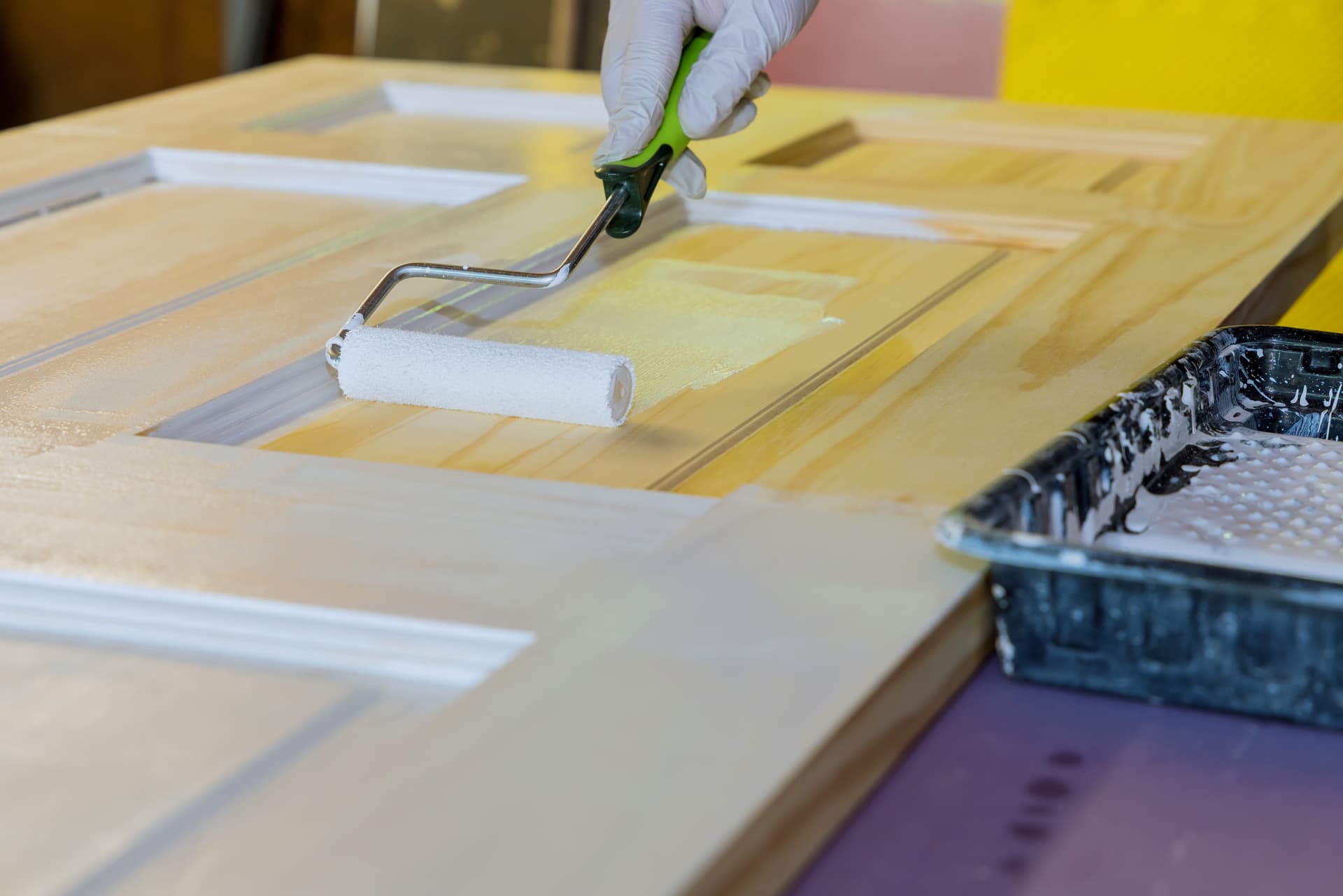
When a project is more than “just a bit of paint”, the time spent on preparation, surface repair and finishing is what produces a lasting, high-quality result. Many customers only appreciate the effort once they see the finished work; that understanding often follows the first job and leads to repeat business and recommendations.
If cost is the primary concern, customers can request a detailed quote and discuss scope rather than assume lower price always equals better value. For specific pricing, ask for a written estimate so you can compare the level of preparation, materials and guarantees offered.
How customers can make working with a tradesperson easier
- Be realistic about availability: tradespeople cannot be in multiple places at once. Agree a mutually convenient time window and stick to it where possible.
- Provide clear, timely information and be available to answer short clarifying questions so work can proceed smoothly.
- Understand that urgent add-on tasks often extend schedules; if you need something fitted in, allow extra time and be prepared for an adjusted completion time.
- Request a detailed quote so you know exactly what is included — preparation, materials and any guarantees — and ask for alternative options if budget is a concern.
- Be courteous in feedback. If you have concerns about workmanship or pricing, raise them directly so they can be resolved rather than resorting to public accusations.
When things go wrong — chasing payment and resolving disputes
Sometimes tradespeople need to chase payment or resolve disputes when a job overruns or expectations differ. Clear, written agreements at the start reduce misunderstandings. If a client believes the work does not match the quote, open communication is usually the quickest route to a satisfactory outcome.
Personal perspective: constraints that shape professional life
Many tradespeople balance business demands with personal responsibilities. Single parents, for example, plan around school runs and holidays; when schools close, their work pattern changes. These constraints are part of the human reality behind every professional service.
When communication lapses occur — such as not seeing social media messages for weeks — it is often down to technical issues or sheer volume rather than deliberate avoidance. If you are waiting for a reply, allow for these possibilities and reach out through the contact form or a phone call.
Appreciation and reputation matter
Tradespeople rely on reputation. They do not typically work cash-in-hand to avoid paperwork; they pay taxes and account for business running costs. When customers value quality and reliability, they tend to recognise the work involved and reward it with referrals and positive reviews. If you want to see what other clients have said, read feedback on the reviews page.
Next steps and further reading
If you want to understand more about long-term experience in the trade, see our related post Ten years in and still going. To discuss a project, request a quote or ask a question, please get in touch via the contact page. A short conversation at the start saves time later and helps set clear expectations for both sides.
Tradespeople are people first: they aim to deliver quality work while juggling the same everyday responsibilities as their customers. Patience, clear communication and mutual respect make all the difference to how smoothly a job progresses.