What Is Dustless Sanding and Why Does It Matter?
By D. Barrett Decorating
Dustless sanding is preparation with better control
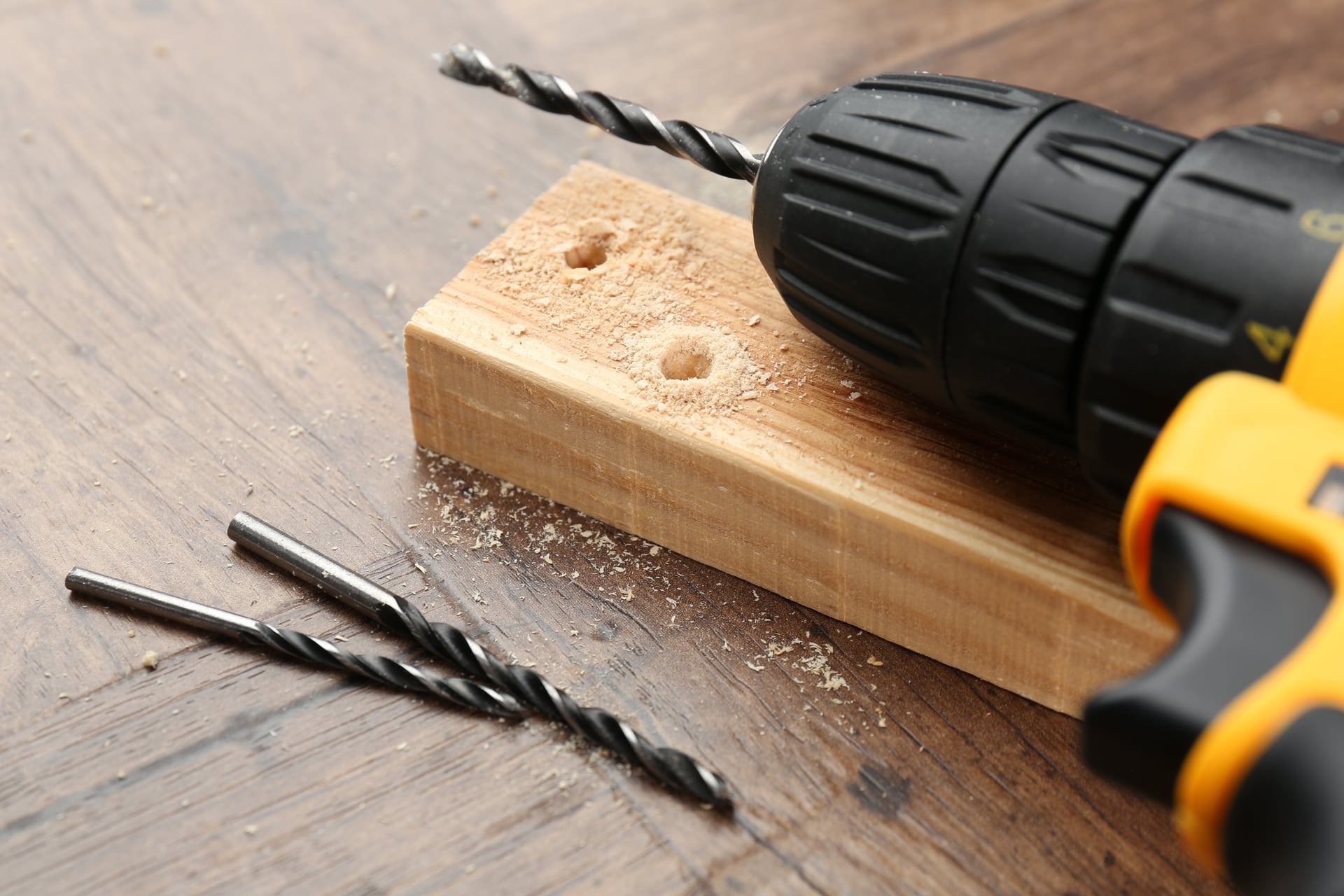
Dustless sanding connects a sanding tool to a HEPA-filtered extraction unit. As the abrasive works across a surface, the extraction removes dust at source instead of allowing it to spread through the room.
That matters because sanding is not a cosmetic stage. It changes the surface that paint, primer or another finish must bond to. If old paint edges remain raised, filler is left proud, or loose material is not removed, those defects can remain visible through the new finish. Poor preparation can also cause problems with the new finish sticking later.
The extraction system reduces airborne dust, but it does not remove the need for careful workmanship. The decorator still has to choose the right abrasive, use the correct pressure and recognise when the surface needs repair rather than more sanding. That judgement is where the quality of the preparation is decided.
For homeowners in Tipton, Dudley and across the Black Country, this is particularly useful when decorating occupied rooms, period properties or spaces containing furniture that cannot easily be removed.
What happens during dustless sanding?
1. We assess the surface before sanding
We first look at what the wall, ceiling or woodwork is made of and how sound the existing finish is. Painted plaster, filled areas, timber and glossy woodwork each respond differently to sanding.
Sanding is not a substitute for dealing with a failing surface. If paint is peeling, the loose areas must be removed. If plaster is damaged, it may need patching and time to become suitable for the next stage. If a surface is glossy, it needs enough sanding to give the new finish something to grip, without unnecessarily cutting into the material beneath.
This assessment also helps us identify edges, cracks, old repairs and changes in texture that could show under the final coats.
2. We protect the room and connect extraction
Floors, furniture and adjacent surfaces still need protection. Dustless does not mean protection is unnecessary. Good preparation starts with containing the work area and preventing tools, filler and debris from marking surfaces that are not being decorated.
The sander is then connected to the extraction unit. The hose needs to remain properly connected and positioned so that suction is maintained while the tool is moved across the surface. We work methodically rather than rushing over the wall, because the aim is an even surface, not simply a quick pass with a machine.
3. We sand the surface evenly
The purpose of sanding depends on the condition of the surface. We may be smoothing filler, feathering the edge of a repair, dulling a sheen or removing minor surface irregularities. Each task requires control.
Too little sanding leaves ridges and roughness, or means the new finish may not stick properly. Too much can expose vulnerable plaster, damage timber edges or create hollows that are difficult to disguise. Corners, mouldings and narrow sections often need a different approach from broad flat areas, and some detailed woodwork is better handled carefully by hand.
The extraction makes the process cleaner, but the operator still needs to keep the tool moving consistently. Holding it in one place or pressing too hard can mark the substrate.
Why the result affects more than cleanliness
The most obvious benefit is less airborne dust. That can make a significant difference when you are living in the property while work takes place. It also helps reduce the amount of dust settling on furniture, fittings and nearby rooms.
The less visible benefit is better inspection. Once loose dust and sanding residue are controlled, we can examine the surface properly. We can spot remaining ridges, small holes, gaps in joints or areas where the underlying surface is still unsound. Those issues can then be filled, sealed or prepared before paint is applied.
This is important with strong colours, smooth finishes and woodwork, where surface defects can be more noticeable. It also matters in older Black Country homes, where walls may have accumulated several layers of paint and repairs over the years. A fresh coat can improve colour and appearance, but it cannot hide every underlying defect without suitable preparation.
What dustless sanding cannot do
Dustless sanding will not make a damaged wall flat by itself. It will not repair cracks caused by movement, replace missing plaster or guarantee that paint will stick to a surface that is not clean or suitable. It also does not mean the room will contain no dust at all. Sanding is only one part of the work, and small amounts of residue can still be created when filling, painting edges or preparing areas by hand.
The correct expectation is controlled, substantially reduced dust and a more manageable working environment. We still clean the work area, check the prepared surface and make sure the next finish is being applied to a suitable surface.
You can read more about our complete Interior Decorating service, including the preparation and finishing work that surrounds sanding.
Why the system is valuable in an occupied home
For a homeowner, the advantage is not simply having less cleaning to do. It is reducing the spread of fine dust into adjoining rooms and limiting the disruption caused by preparation. That can be especially helpful when a room contains fixed furniture, fitted storage or delicate finishes nearby.
At D. Barrett Decorating, we combine dustless sanding with surface repairs, priming and careful protection. The aim is a sound, even base for the finish you have chosen, whether we are working on walls, ceilings or interior woodwork in Tipton, Dudley or elsewhere in the Black Country. If you want to understand what your surfaces need before decorating begins, contact us to arrange a clear specification for the work.