
What Can Cause a Decorating Finish to Fail?
By D. Barrett Decorating
What Can Cause a Decorating Finish to Fail?
The useful question is not simply what a decorating finish looks like when it fails. It is what the guarantee is designed to put right, and what falls outside the decorator's control.
For interior decorating, workmanship relates to how the agreed layers of preparation and paint have been applied. That includes the preparation, priming, coating and finishing carried out as part of the work. If the finish fails because the application was unsuitable or a required stage was missed, that helps identify whether the decorating work needs attention.
That is different from a defect caused by the building, a change in how the room is used, accidental damage or work carried out afterwards. Understanding that distinction can prevent a small problem becoming a larger dispute or a repair being attempted in the wrong way.
The consequences of getting the cause wrong
Paint failure is often treated as a surface problem, but the visible mark may only be the final stage of an issue below the coating. Peeling, blistering, cracking or discolouration can have several causes, and each one needs a different response.
When the application is the problem
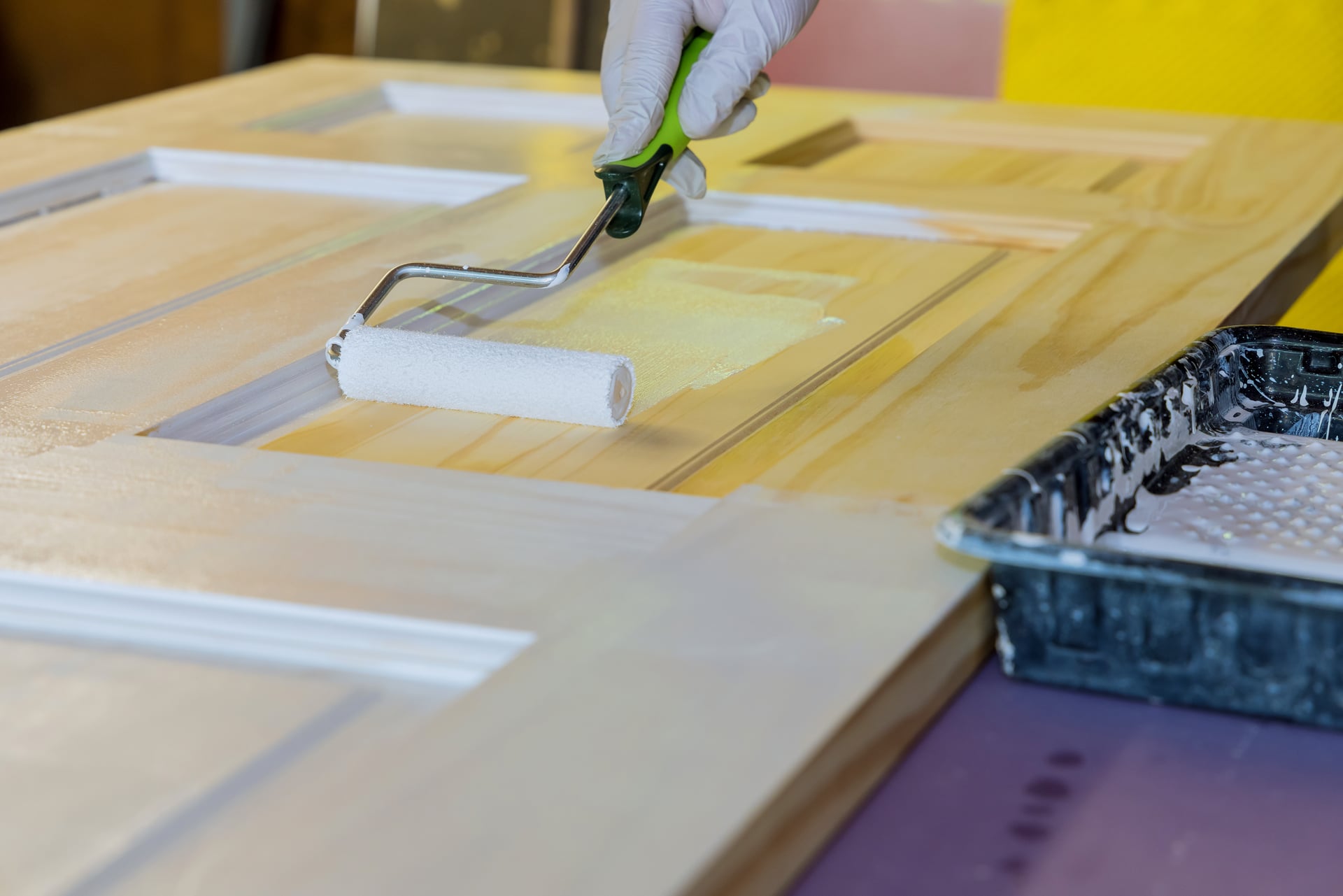
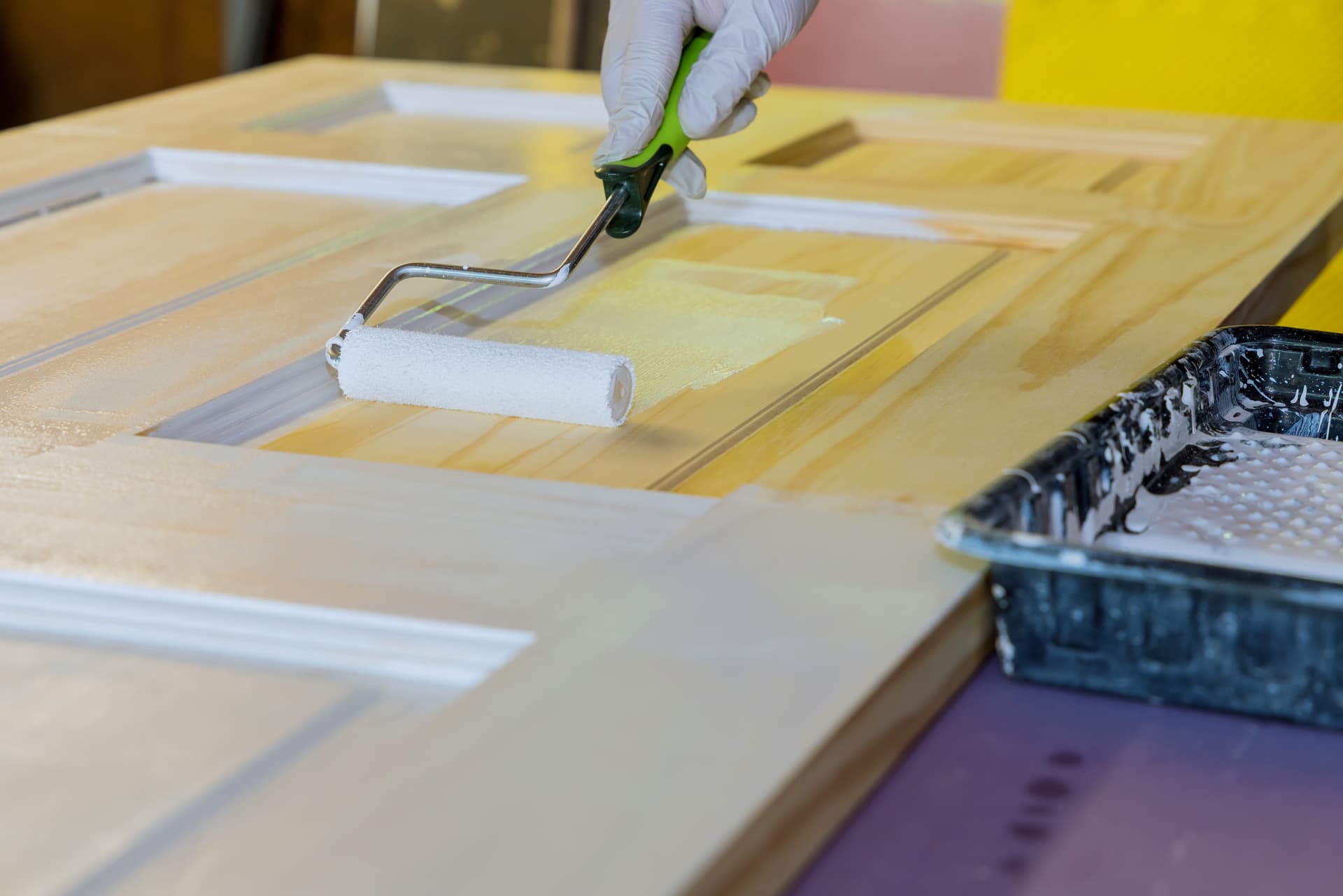
A coating can fail when the surface was not sufficiently clean, dry, sound or prepared before painting. Poor adhesion may show as lifting or flaking. Incompatible products can react with one another. A missed primer, first coat on new plaster or undercoat can leave the finish unable to bond properly or provide the coverage it needs.
If that type of failure is left unresolved, loose material can spread beyond the original area. A later repair may then require more scraping, sanding, filling and repainting than would have been needed at the first sign. Painting over the defect without dealing with the cause usually conceals the problem rather than correcting it.
This is why preparation is not a cosmetic extra. On walls, ceilings, doors and woodwork, the condition of the underlying surface determines whether the paint layers can perform as intended.
When the property is the cause
A problem created by the building itself needs a different response from a failed paint application. Damp coming through walls, a plumbing leak, condensation, movement in plaster or salts coming through brickwork can all damage a sound paint finish. The coating may be the first place you notice the issue, but it is not necessarily where the issue started.
Covering damp staining with fresh paint can make the room look finished for a short time while moisture continues to affect the substrate. That can lead to recurring staining, soft plaster, mould growth or wider areas of failure. The right sequence is to identify and resolve the underlying building problem, allow the surface to become suitable for decoration, then carry out the necessary preparation and finishing work.
Period properties in Tipton, Dudley and across the Black Country can have walls and ceilings that have been repaired or coated repeatedly over many years. A decorator needs to distinguish ordinary aged surfaces from signs that the underlying surface requires attention before a durable finish is possible.
When damage happens after the work
Accidental impact, furniture movement, leaking fixtures and later building work are separate from the original application. Drilling into a wall, replacing joinery, removing fitted items or carrying out electrical and plumbing work can mark or disturb a completed finish.
The same applies to normal wear in busy areas. Hallways, staircases, children’s rooms and frequently used doors are exposed to knocks and contact that can eventually affect any decorative finish. That does not automatically indicate defective workmanship. It indicates that the surface has been subjected to something beyond the original application.
Trying to touch up damage with a different paint finish or tin of paint can make the repair more visible. It can also make it harder to establish what happened if a genuine application issue appears later. Keep any leftover product information and job paperwork, and contact us before making a substantial repair where you are unsure of the cause.
What you should do when a defect appears
Start by recording what you can see. Note where it is, when you first noticed it and whether it is spreading, damp, soft, cracked or simply marked. Take clear photographs from close up and from further back so the location and scale are understandable.
Do not scrape, sand or repaint the affected area before speaking to us unless there is an immediate safety or water damage issue. Altering the surface can remove useful evidence and may turn a straightforward inspection into a larger repair.
We can then assess whether the issue relates to the decorated surface, the substrate or something that has happened since completion. The remedy may involve preparing and painting the affected area again, or involving the appropriate building or maintenance professional if the cause is outside decorating work.
Read the paperwork, not just the headline
The agreed work details should be considered alongside the products used and any conditions supplied with the job. These details clarify what was included, how the surfaces were expected to perform and what events are excluded.
At D. Barrett Decorating, we carry out interior decorating across Tipton, Dudley and the wider Black Country with careful attention to the condition of the surfaces before work begins. For the service overview, see our Interior Decorating service page. If a finish has failed, contact us before attempting a repair so we can establish the cause and advise on the correct next step.